
 Information in ZL database
 Information in Pilseta24 portal's networks
 Information in construction, architecture and interior portal abc.lv
 Information in construction, architecture and interior portal building.lv
 Information in firmas.lv
 Information in visaigimenei.lv
Photo 17
Reviews
Add a rating and review
Working time
- Sun-
- Mon800-1800
- Tue800-1800
- Wed800-1800
- Thu800-1800
- Fri800-1800
- Sat-
Business data
- EUR 96904 / 2024
- 4
- Service provider
Legal data
- 50203331391
- LV50203331391
- 13.07.2021
- Priežu iela 9, Dobele, Dobeles nov., LV-3701
- 2024
About SKYSTONE
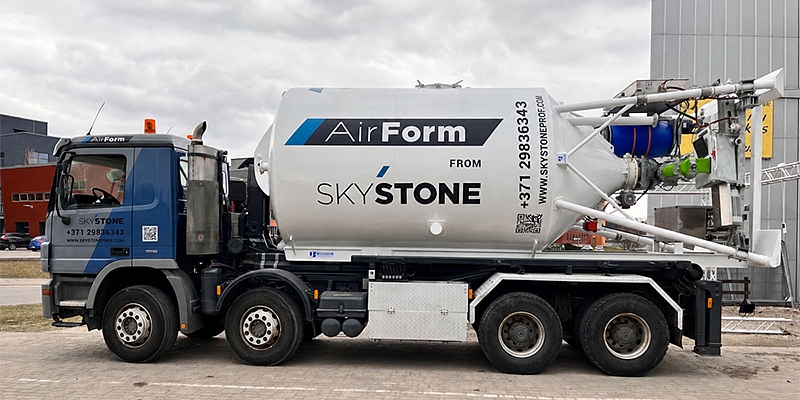
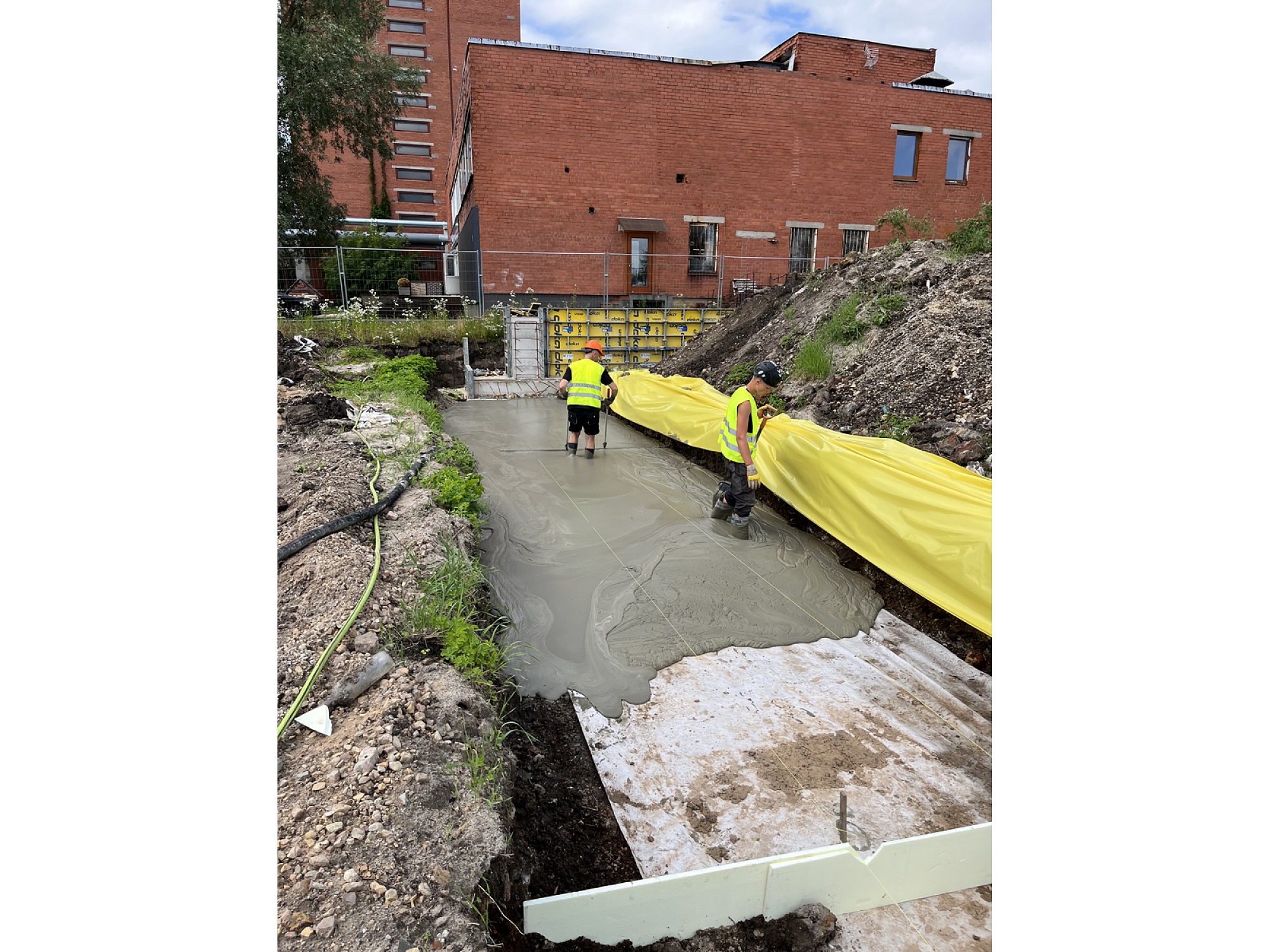
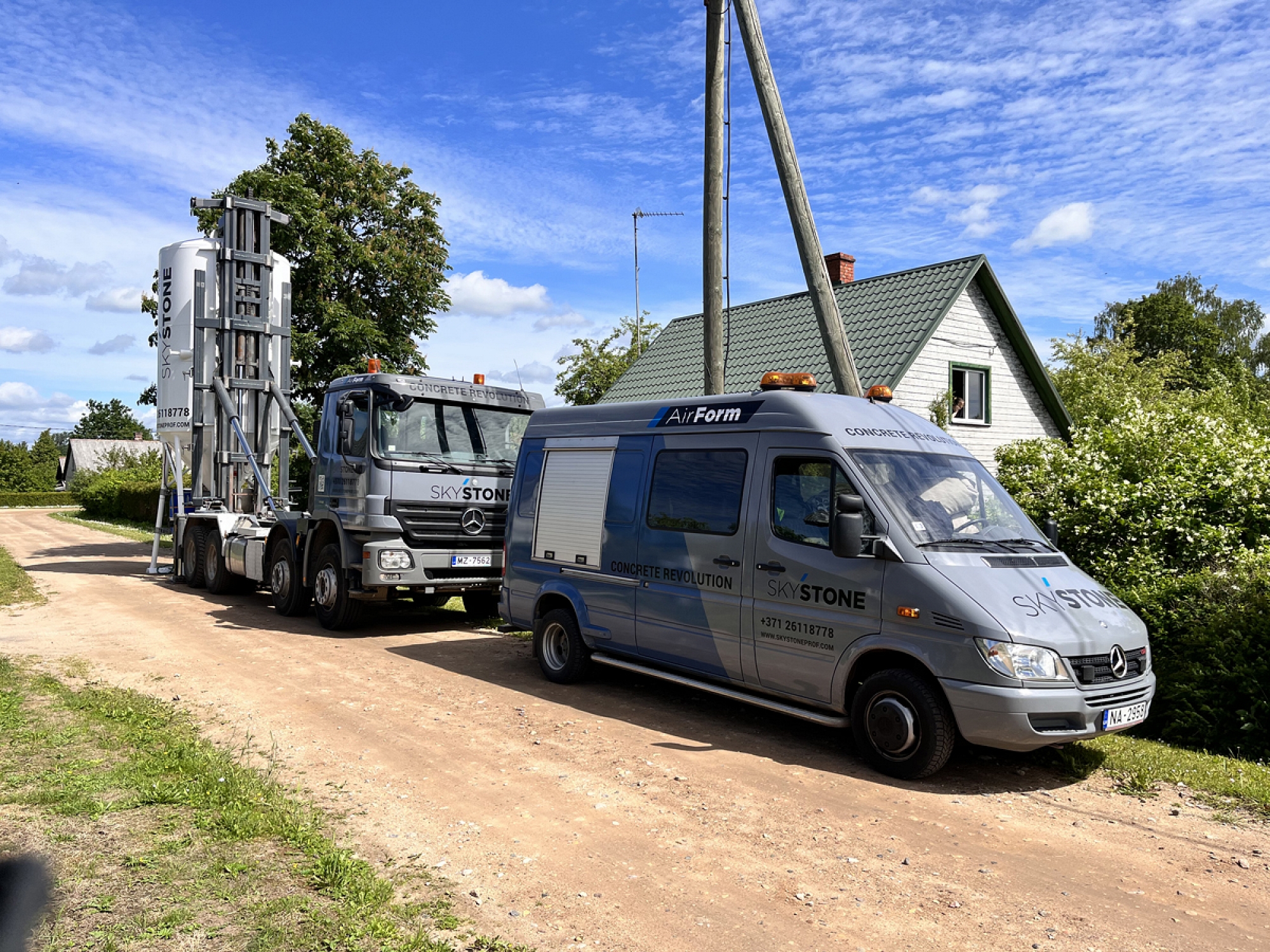
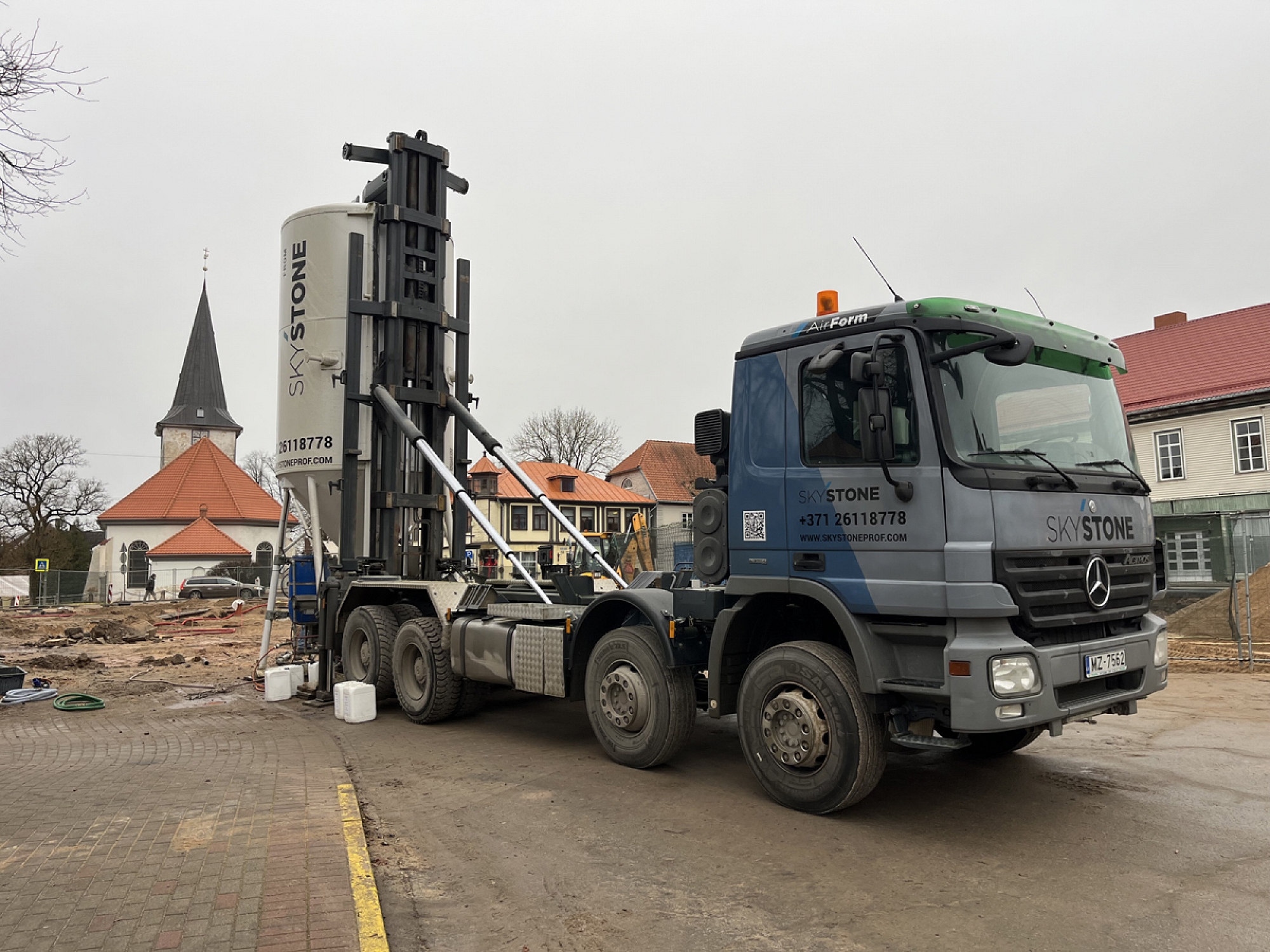
SKYSTONE is a company specializing in low-density cellular concrete 'LDCC' solutions. SKYSTONE manufactures and installs LDCC under controlled conditions for engineering fill applications, load reduction solutions and the filling of hard-to-reach voids.
SKYSTONE solutions are designed for situations where traditional backfill, crushed stone layers, conventional concrete or steel support structures are not the technically or economically optimal solution - for example due to excessive self-weight, difficult compaction, restricted access, longer construction times, settlement risks or unnecessary loading of existing structures and the underlying soil.
SKYSTONE core principle is straightforward: LDCC is not a universally cheaper alternative to traditional materials or structural solutions. It is a specialized engineering solution for applications where low self-weight, rapid flowable placement without compaction, controllable density, uniform void filling and verifiable on-site quality are essential.
Technical characteristics and properties of LDCC
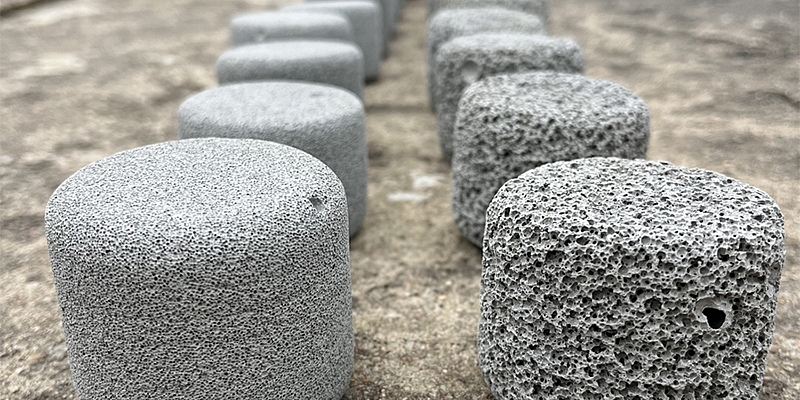
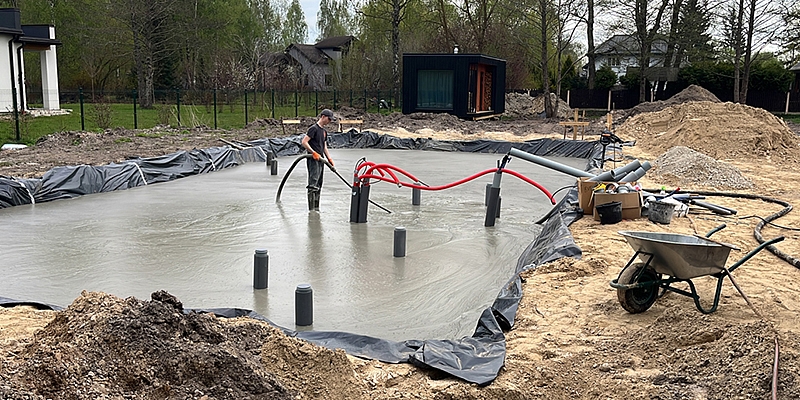
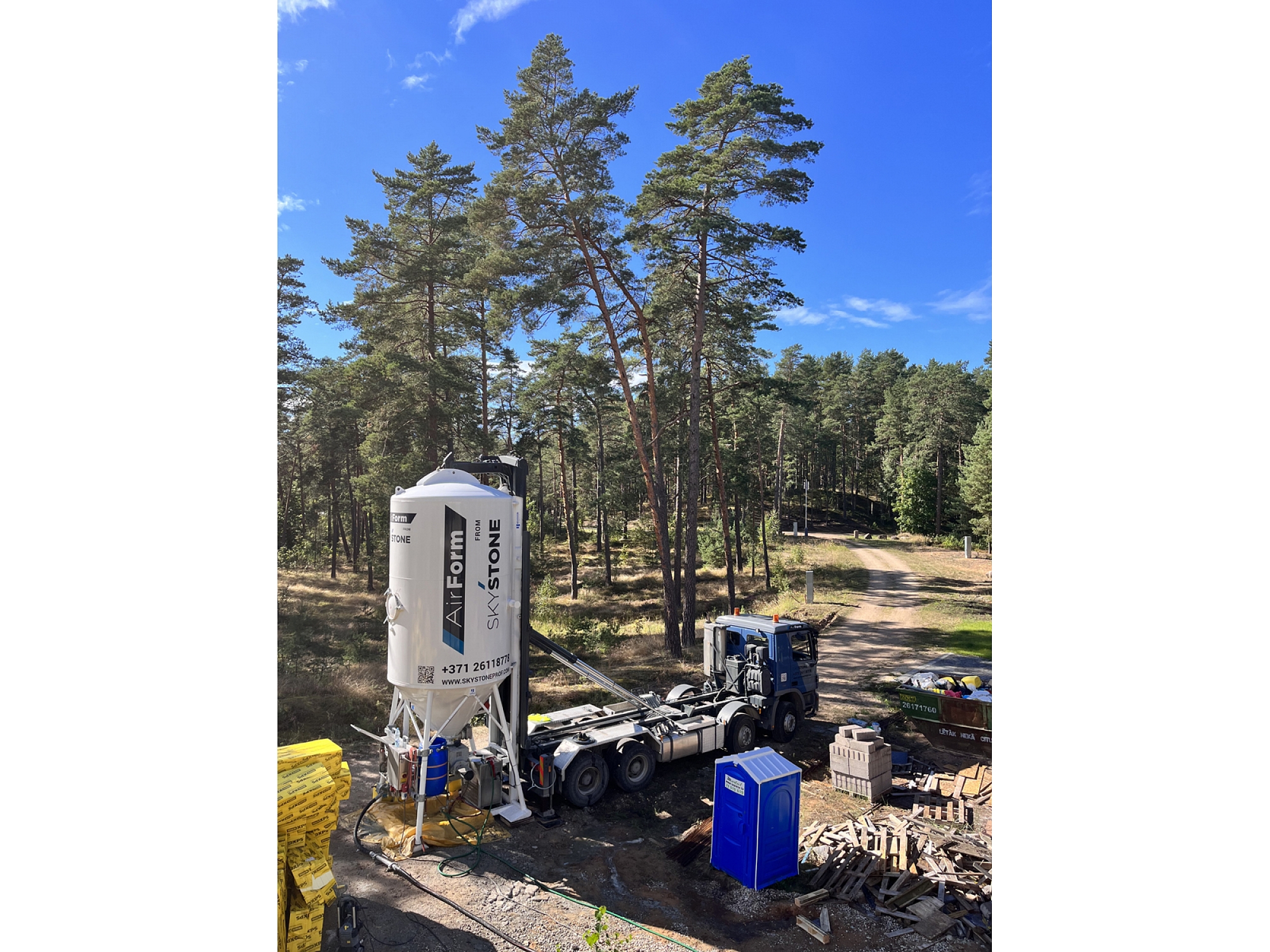
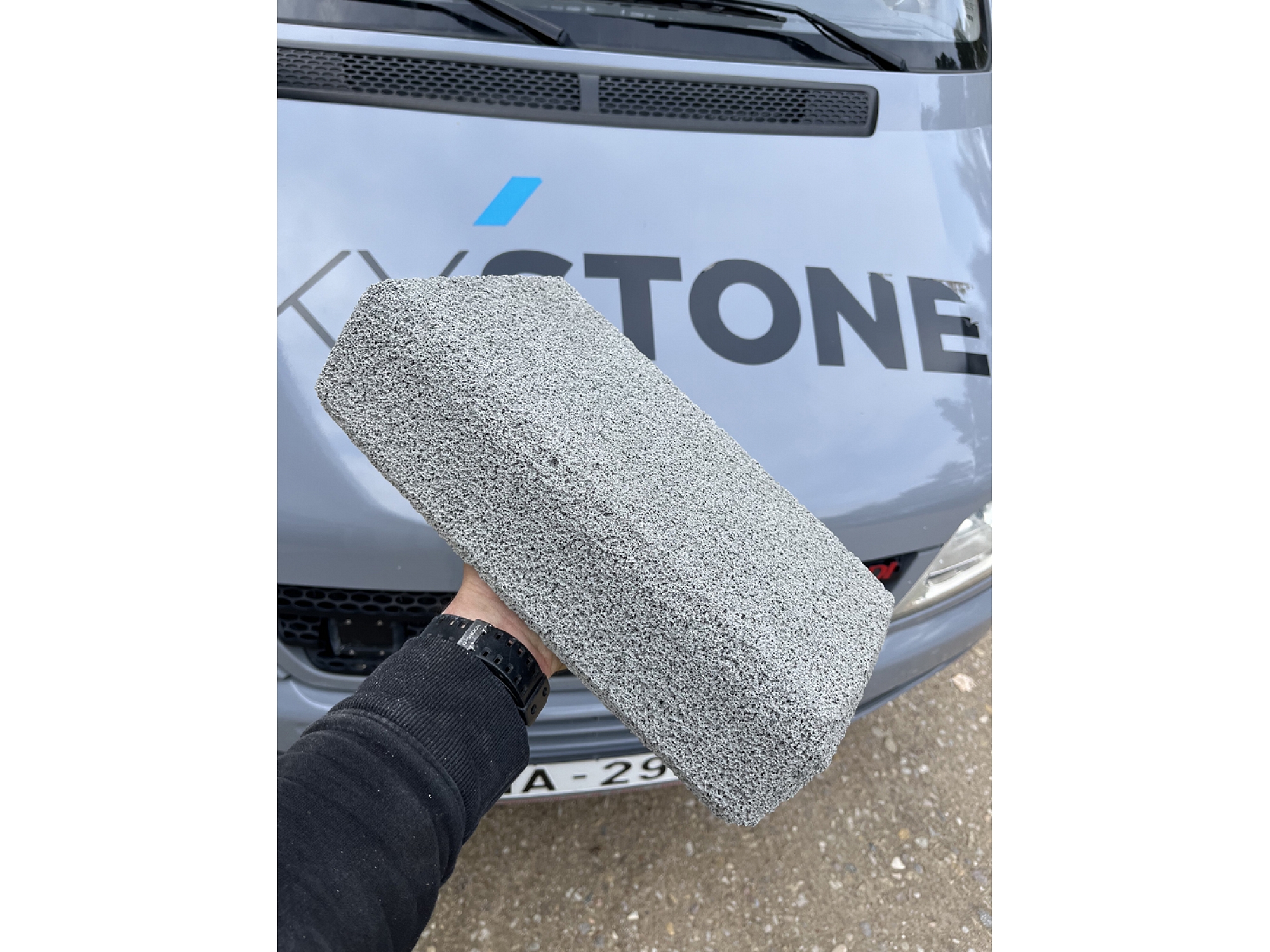
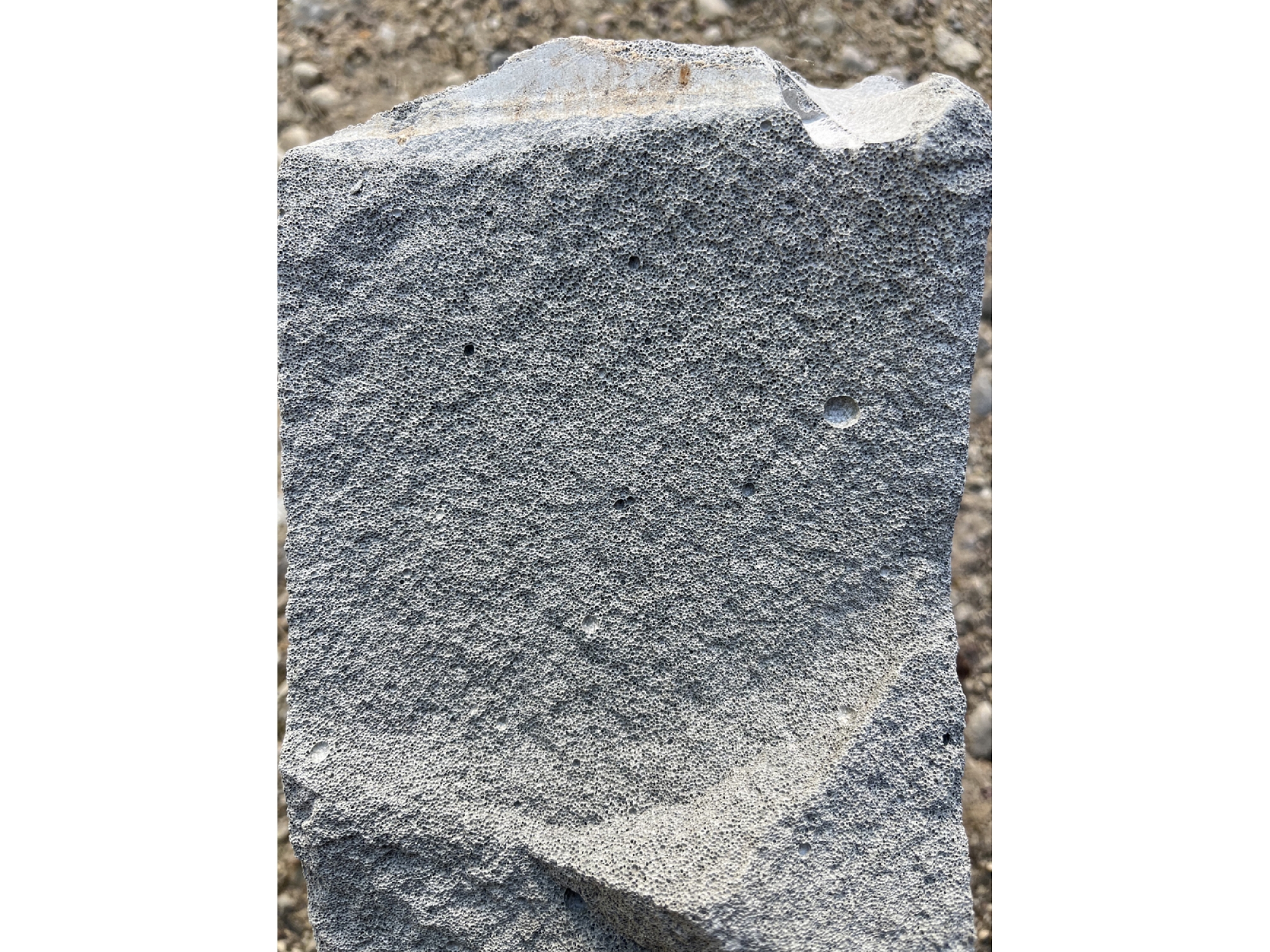
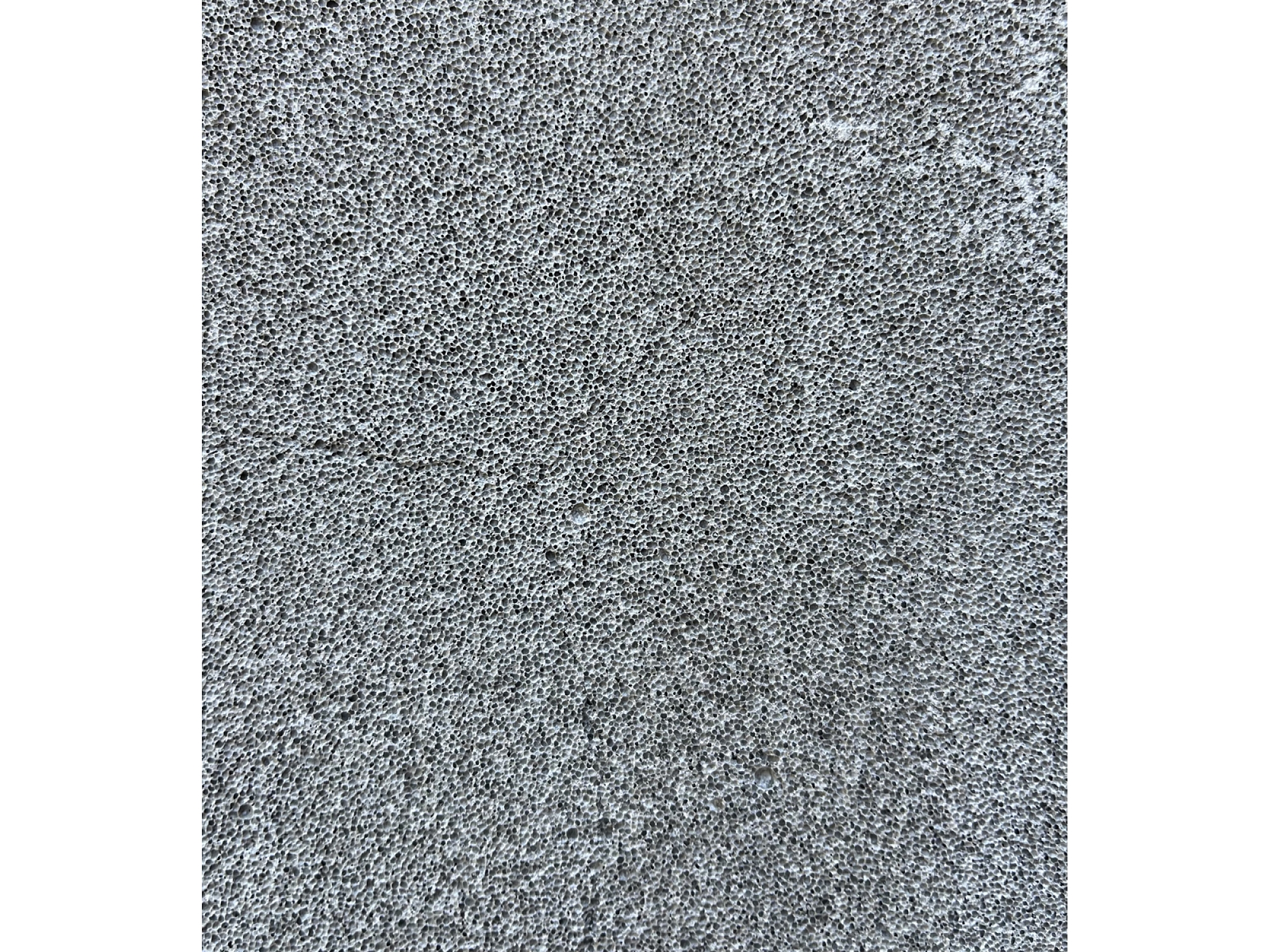
Low-density cellular concrete 'LDCC' is a flowable cement-based material with a controllable bulk density and a uniform pore structure. It is produced on site or through a project-specific production process and placed as a lightweight, self-levelling fill without mechanical compaction.
LDCC effectively fills complex-shaped voids, pipelines, annular spaces, and restricted-access areas where the mechanical placement of conventional materials, proper compaction, or the construction of separate support structures is difficult, time-consuming, or impractical. After hardening, LDCC forms a homogeneous, stable, and controllable fill with significantly lower self-weight than traditional granular fills or conventional concrete.
The key advantage of LDCC lies not in any single property, but in the combination of properties it offers: low self-weight, excellent flowability, rapid placement, placement without compaction, controllable strength, reduced loading on soil and structures, minimal mechanical impact during placement, and clearly verifiable quality.
LDCC applications and solutions
SKYSTONE focuses on LDCC applications where the material's technical advantages provide real value to the project rather than simply replacing one construction material with another. Typical application groups include the following:
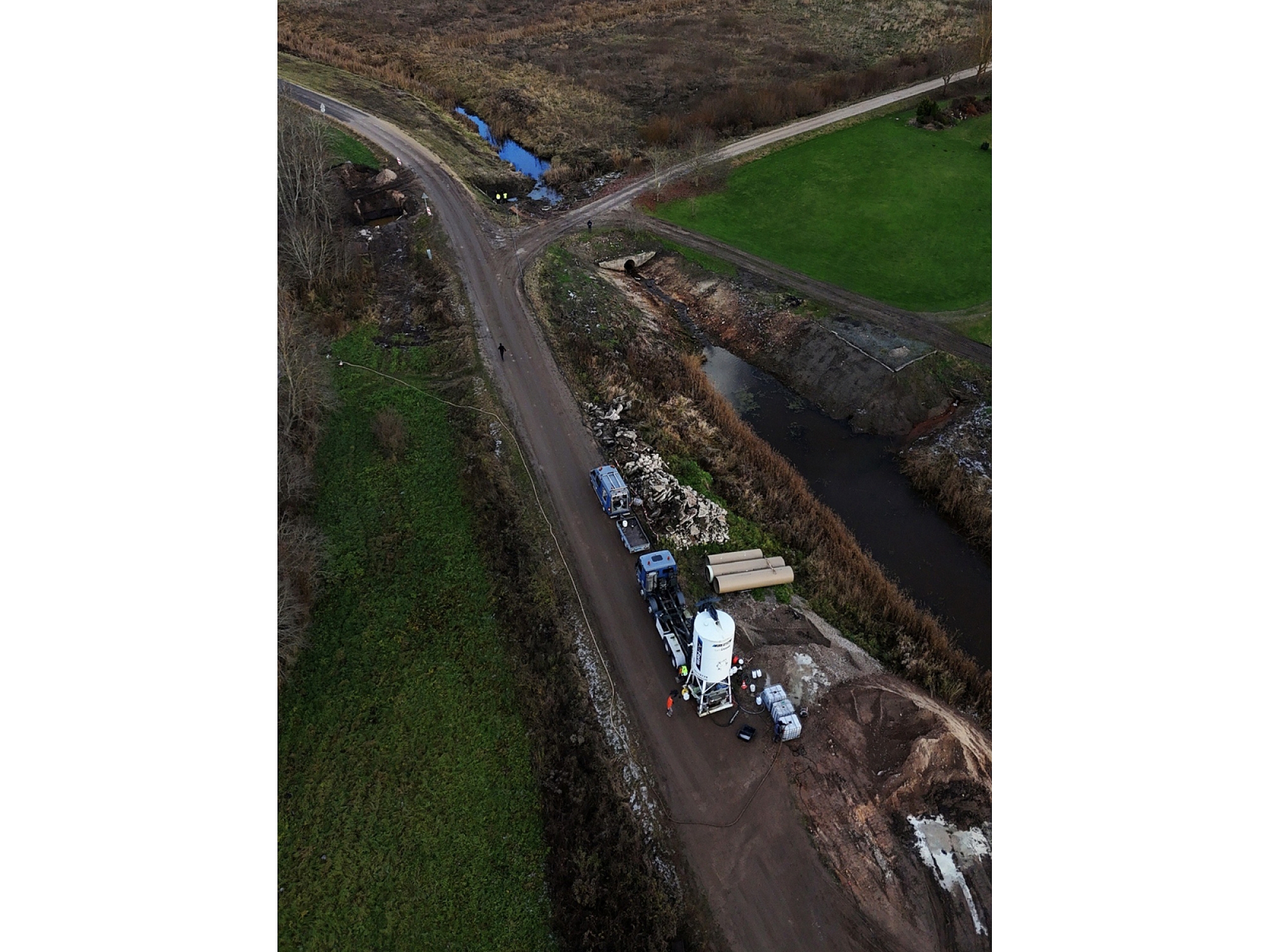
- filling of culverts and pipelines, including abandoned or obsolete sections;
- filling annular spaces around newly installed pipes and in pipe rehabilitation projects;
- filling abandoned basements, shafts, tunnels, tanks and other underground voids;
- filling hard-to-access cavities and voids beneath existing structures;
- trench backfilling and reinstatement where compaction is undesirable, difficult or risky;
- backfill behind retaining walls and other permanent structures where additional load must be limited;
- lightweight structural fill solutions for weak soils, roads, industrial and special construction projects;
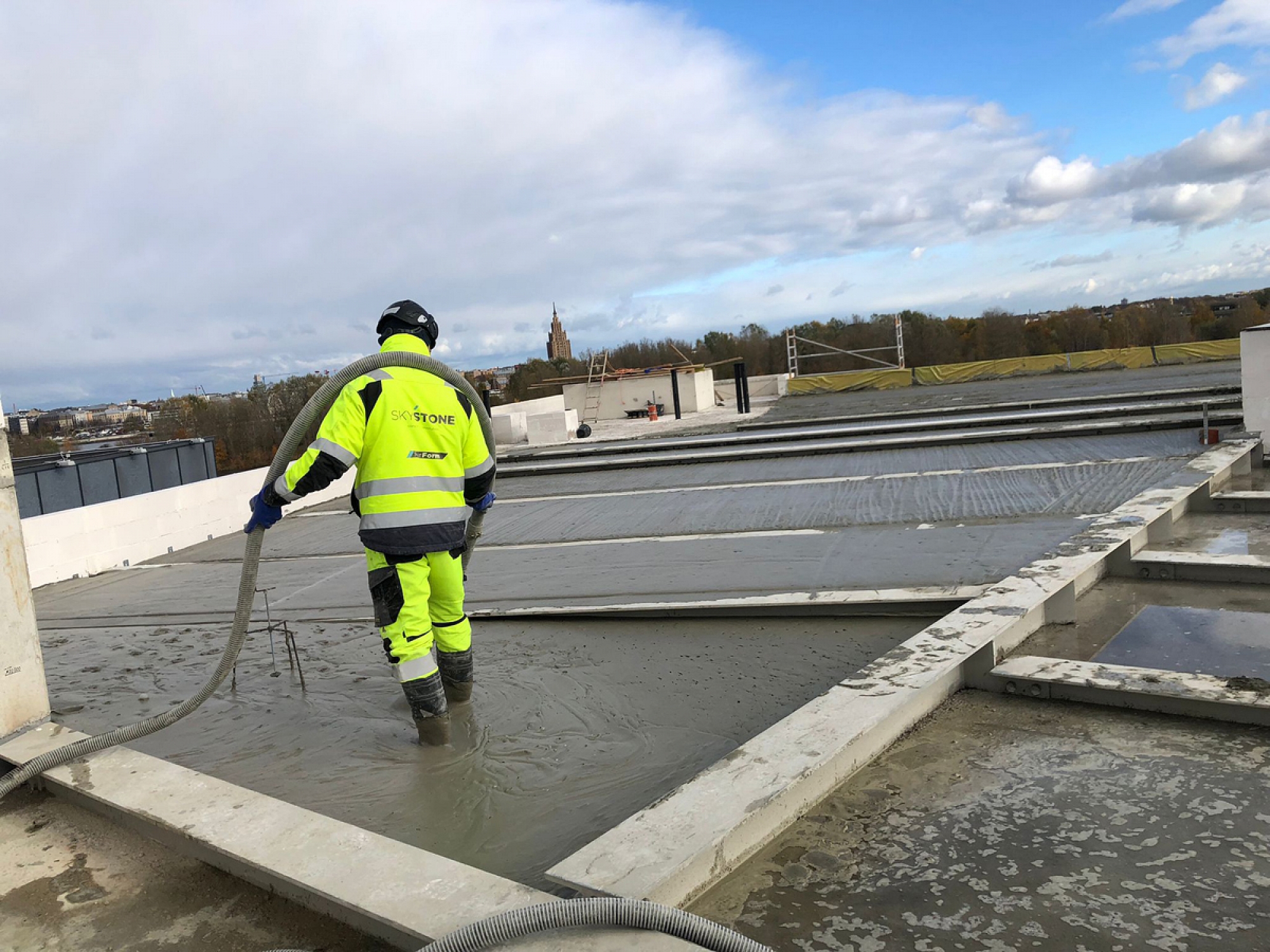
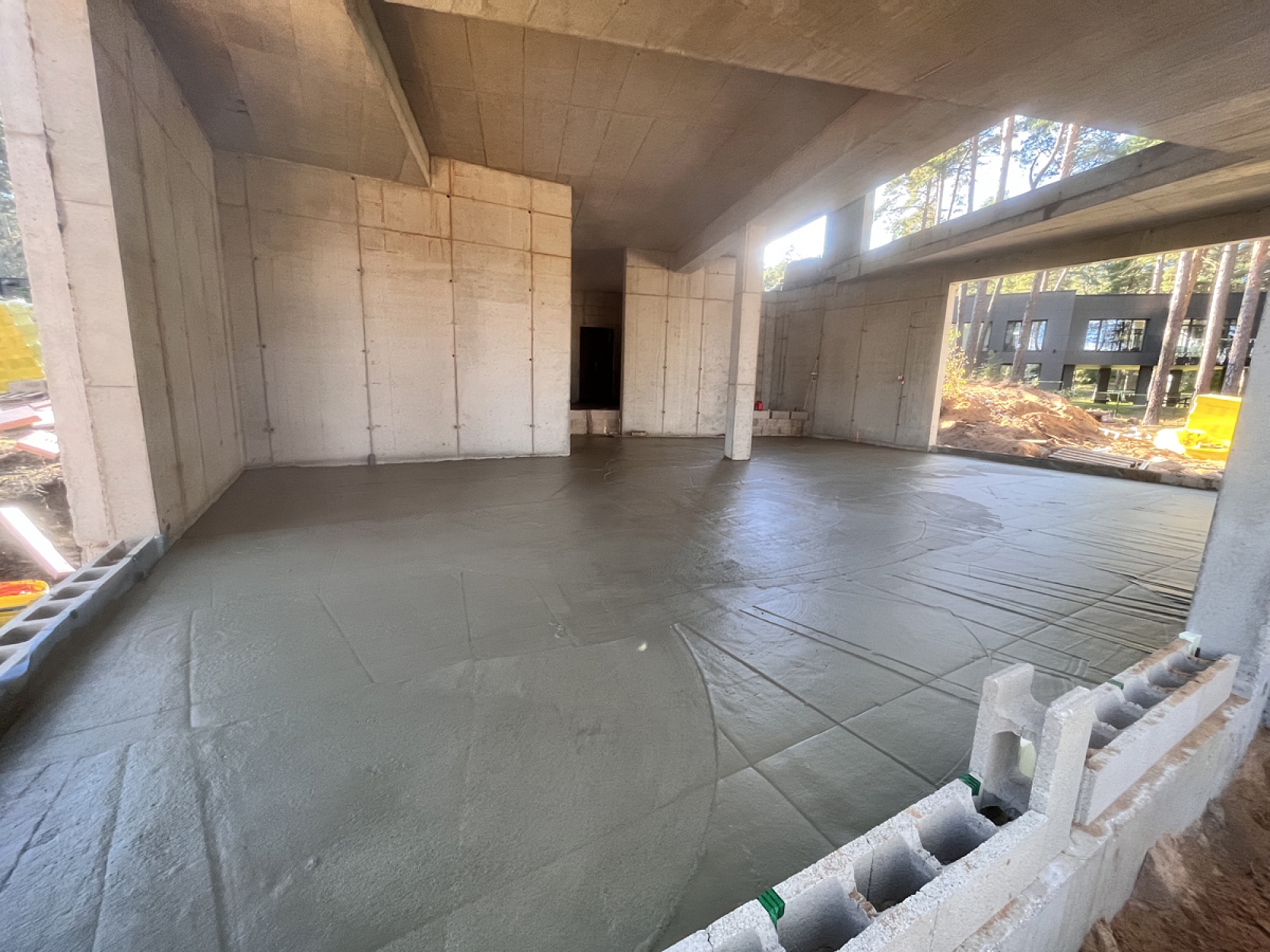
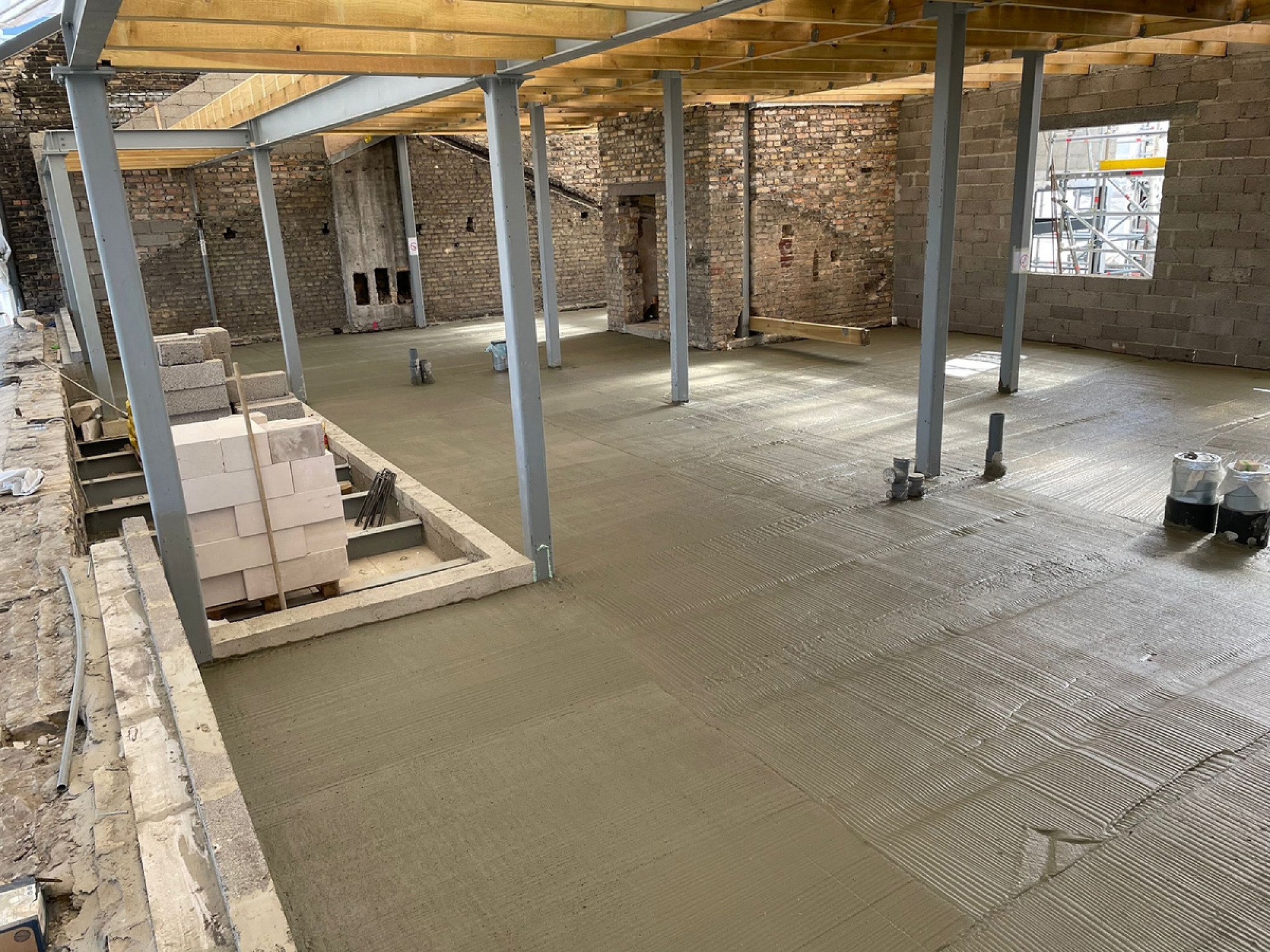
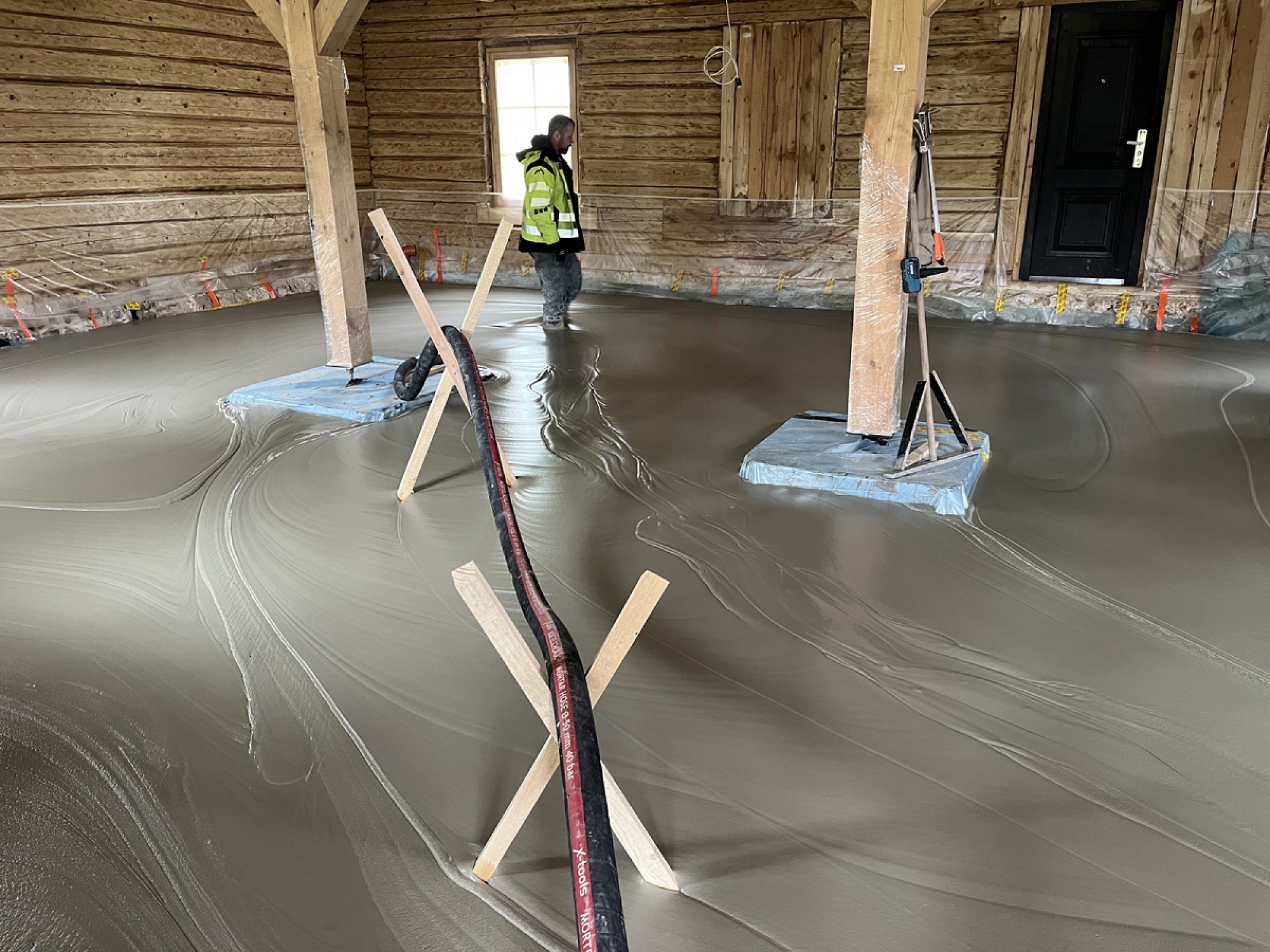
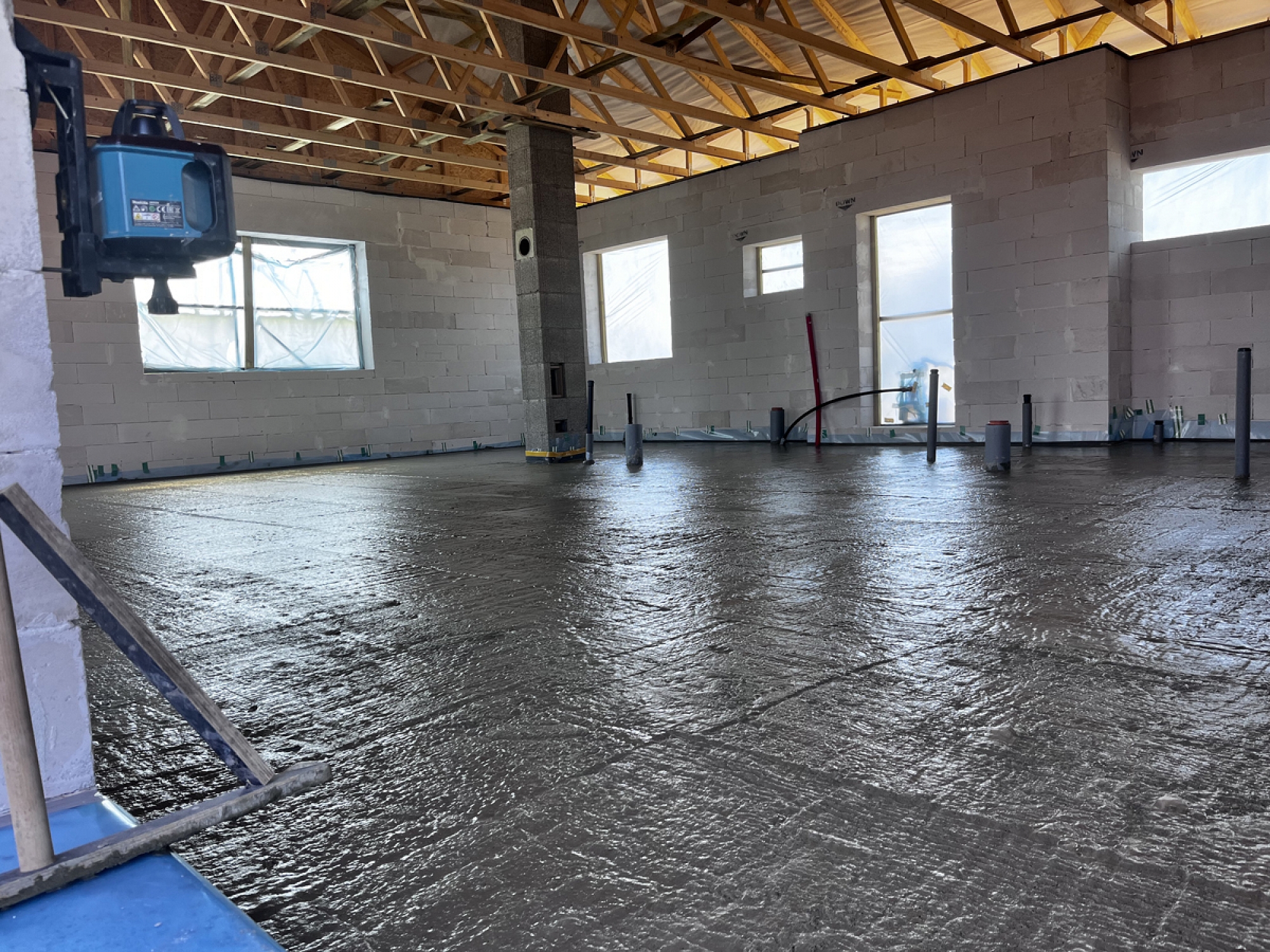
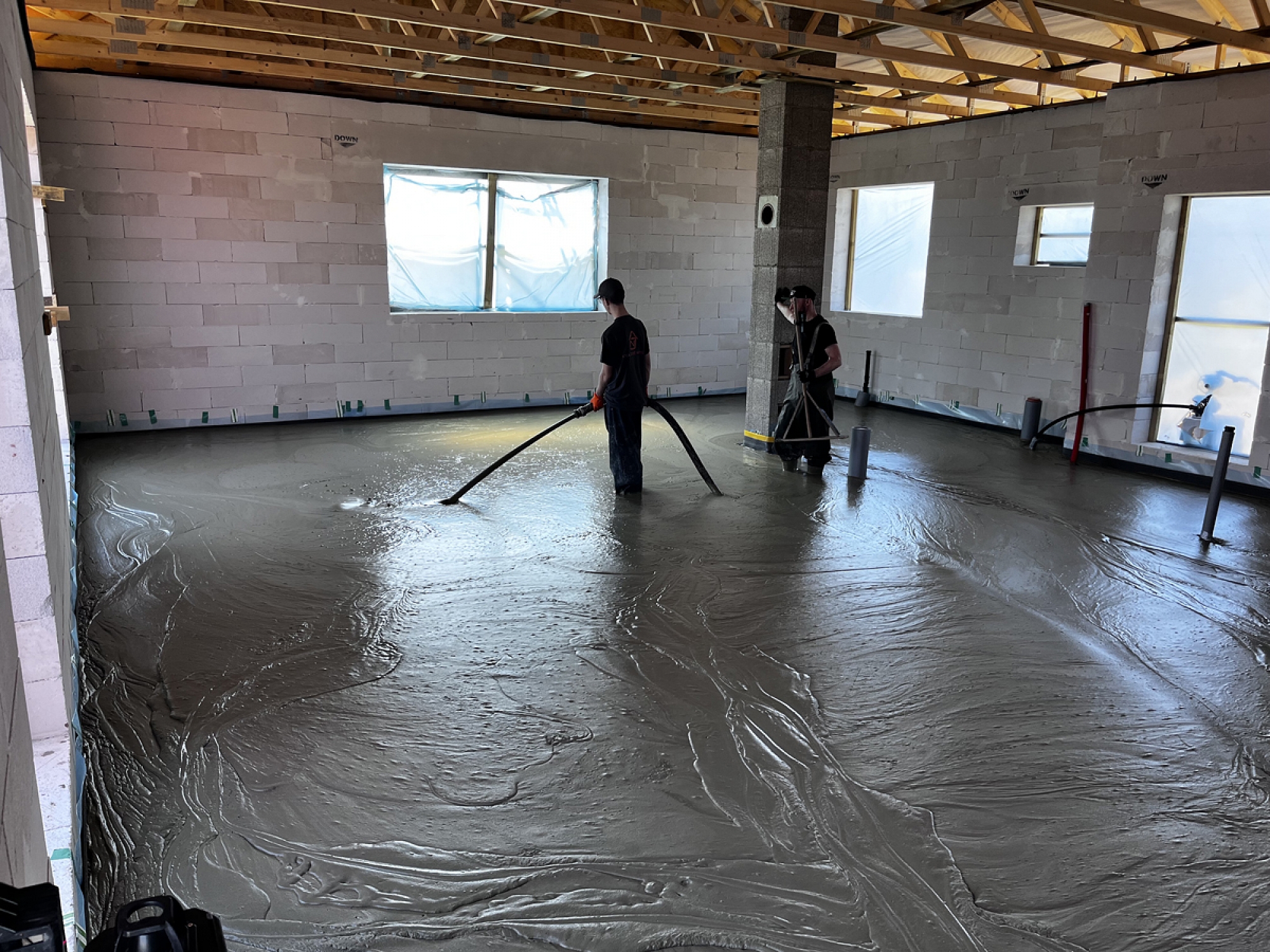
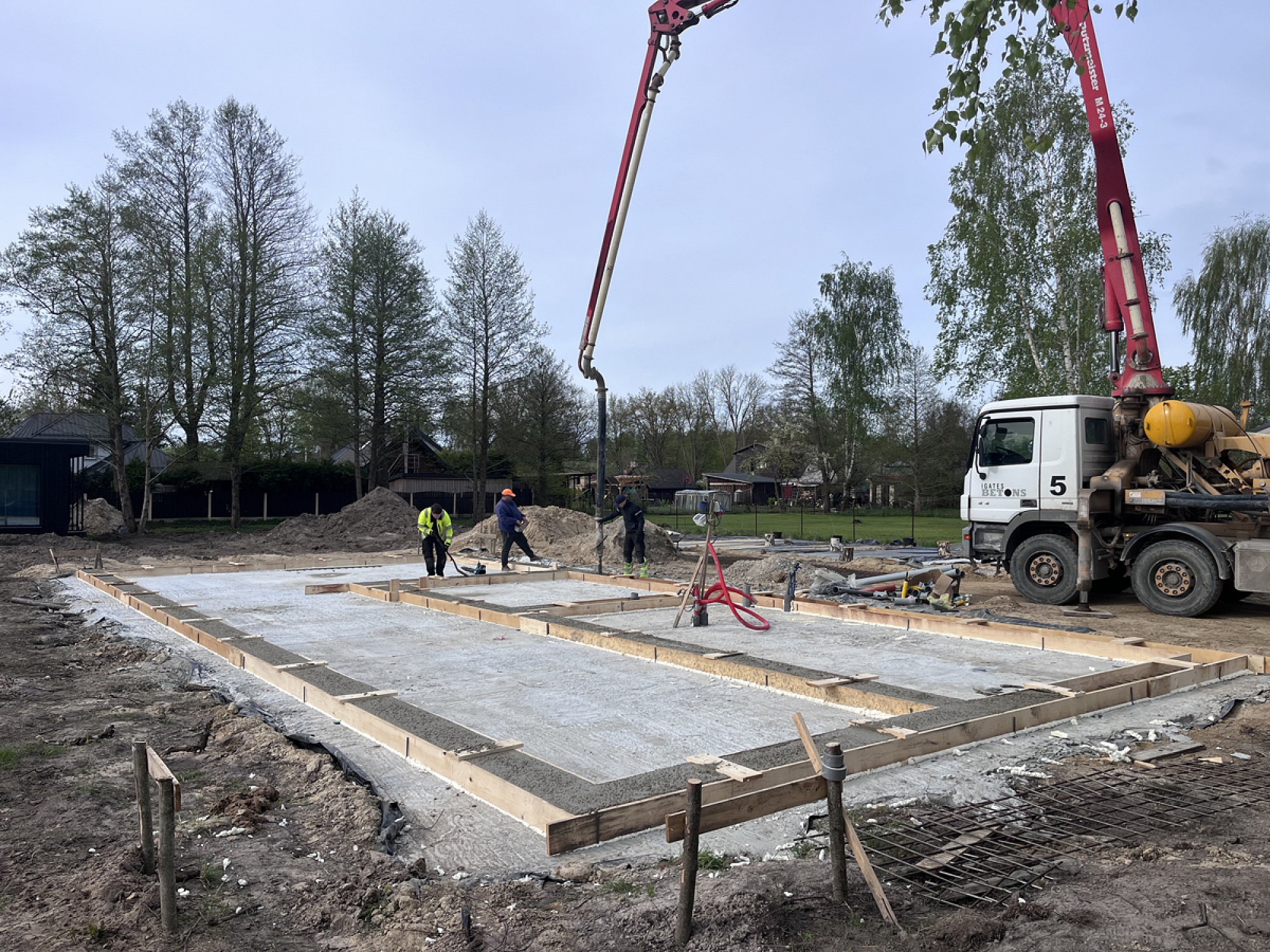
- sub-base layers on ground, base levelling and filling utility zones within floor structures where flowability, load control or reduced compaction are important;
- closed-cell or permeable/draining LDCC solutions where required by project-specific technical needs.
LDCC is particularly suitable where additional loads on soil or existing structures must be limited, hard-to-reach areas filled, compaction-induced vibration avoided, settlement risk reduced, or rapid and controlled placement achieved in restricted site conditions.
In cases involving abandoned basements and other voids beneath buildings, LDCC can be a practical alternative to the construction of new steel support structures when the objective of the project is to structurally stabilise the existing structure rather than restore the use of the abandoned space or adapt it for future occupancy. In such cases, LDCC enables the rapid and cost-effective creation of a permanent, uniform and supportive fill throughout the required volume.
If a conventional solution fully achieves the project's objectives both technically and economically, there is no need to use LDCC solely as a material replacement. LDCC becomes justified when conventional solutions increase structural or ground loading, complicate execution, extend schedules, create additional risks or increase overall project costs during construction and operation.
Keywords
Low-density cellular concrete, LDCC, cellular concrete, cellular concrete solutions, on-site cellular concrete production, cellular concrete placement, controlled cellular concrete placement, specialized construction works, engineered backfill solutions, lightweight fill, flowing fill, fill without compaction, lightweight structural fill, load reduction solutions, reduction of soil loading, backfill on weak soil, road backfill solutions, trench backfilling, trench reinstatement with cellular concrete, utility backfill, culvert filling, pipeline filling, abandoned pipeline filling, worn-out pipeline filling, annular space filling, filling the pipe annular gap, pipe rehabilitation fill, casing pipe fill, underground void filling, filling of hard-to-reach cavities, filling of abandoned basements, filling basements beneath buildings, alternative to steel support structures, permanent supportive fill, shaft filling, tunnel filling, tank filling, erosion void filling, filling voids beneath structures, structural backfill behind retaining walls, backfill behind retaining walls, lightweight backfill behind walls, ground-supported floor sub-base, cellular concrete floor sub-bases, lightweight floor sub-base, flowable floor sub-base, floor base levelling with cellular concrete, filling service zones within floor bases, reduction of floor structure loading, cellular concrete for floor sub-bases, cellular concrete for retaining walls, cellular concrete for culverts, cellular concrete for trenches, cellular concrete for underground voids, cellular concrete for weak soil projects, draining cellular concrete, water-permeable cellular concrete, closed-cell cellular concrete, technical control of cellular concrete, cellular concrete density control, cellular concrete quality control